
Signs You Have a Stinkbug Infestation Indoors
If you notice signs you have a stinkbug infestation indoors, local contractors can provide effective treatment options to eliminate these pests and prevent future invasions.
If you’ve noticed an increase in stinkbug activity inside your home, it could be a sign of an ongoing infestation. Common indicators include seeing these insects around windows, doorways, or light fixtures, especially during seasonal changes when they seek warmth indoors. Unpleasant odors or the presence of dead bugs in window sills and corners may also point to a problem. Recognizing these signs early can help property owners address the issue before it becomes more difficult to manage, and local contractors experienced in stinkbug treatment can provide effective solutions to eliminate these pests and prevent future invasions.
Understanding the signs of a stinkbug infestation indoors is essential for maintaining a comfortable living space. If you’re discovering clusters of bugs or noticing a persistent smell, it’s wise to explore treatment options with local service providers who specialize in pest control. These professionals can assess the situation accurately and recommend targeted treatments to remove stinkbugs and safeguard your property. Keep reading to learn more about how to identify an infestation and what steps local experts can take to help restore your home’s comfort and cleanliness.
- Inspection and Identification - when homeowners notice an increase in stinkbug activity indoors, local contractors can perform thorough inspections to confirm the presence of an infestation.
- Infestation Treatment - if signs of a stinkbug invasion are detected, service providers utilize targeted methods to reduce populations and prevent further entry.
- Entry Point Sealing - when stinkbugs are found inside, local pros can identify and seal cracks or gaps that serve as entry points into the home.
- Preventive Measures - in cases where stinkbugs are a recurring problem, local contractors can implement strategies to deter future invasions.
- Ongoing Monitoring - when infestation signs persist, service providers offer monitoring solutions to track and manage stinkbug activity indoors.
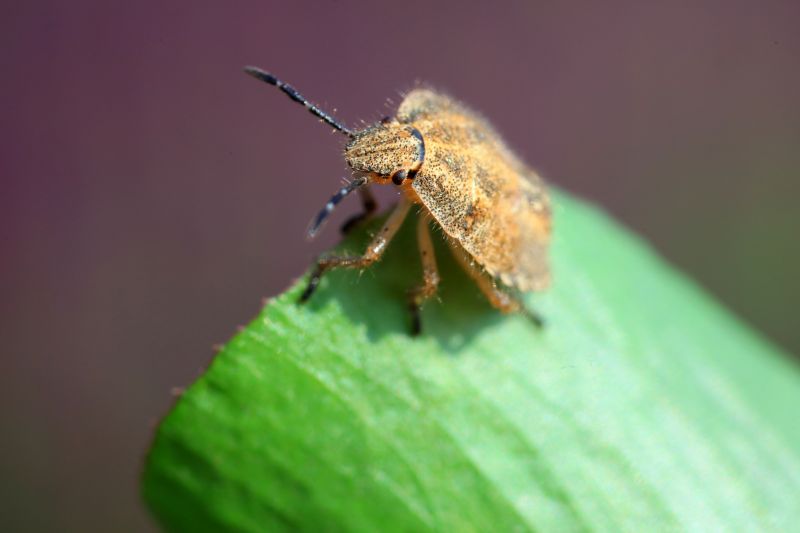
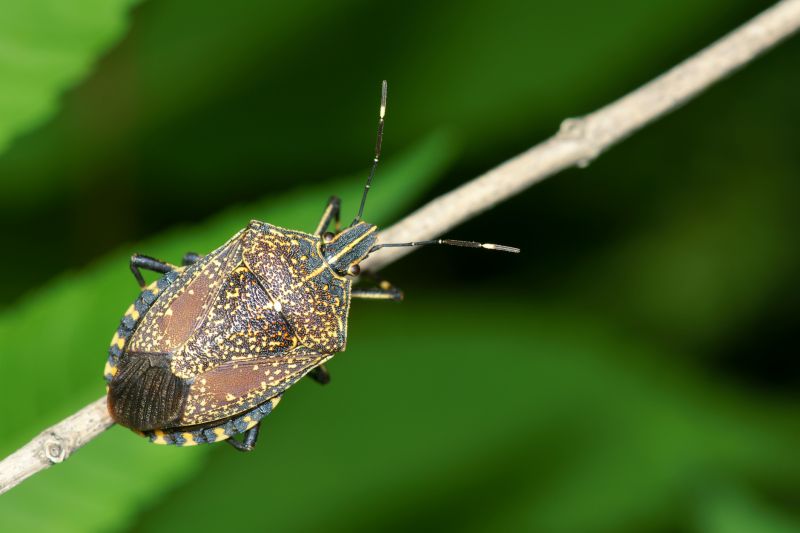
Understanding the signs you have a stinkbug infestation indoors is essential for homeowners who want to address the problem early. These insects are often mistaken for harmless pests, but their presence can become a nuisance, especially during seasonal changes when they seek warmth inside. When searching for this topic, people typically want to identify whether these insects have infiltrated their living spaces and how to confirm an infestation. Recognizing the signs early can help prevent a large population from establishing itself, which can complicate removal efforts later on. Local contractors specializing in stinkbug treatment can provide the necessary services to eliminate these pests and prevent future invasions.
Common problems associated with stinkbug infestations include the presence of large numbers of these insects in living areas, particularly near windows, doors, and other entry points. Homeowners often notice them gathering on walls or ceilings, especially during fall and early winter when they seek shelter from the cold. The insects do not bite or cause structural damage, but their presence can be unsettling and may lead to a mess if they are disturbed. Some plans for managing an infestation involve sealing entry points, removing visible bugs, and applying targeted treatments. Local service providers can assess the property, identify the extent of the problem, and recommend effective treatment options to control and prevent future invasions.
The types of properties most affected by stinkbug infestations tend to be residential homes, especially those with easy access points like open windows, poorly sealed doors, or cracks in the foundation. Larger properties such as farms or rural homes may also experience higher incidences due to proximity to fields and open land where these insects are common. Urban homes with multiple entry points can be particularly vulnerable if preventative measures are not in place. For property owners, understanding how these insects enter and thrive indoors is crucial for planning effective control strategies. Local contractors experienced in stinkbug treatment can help develop tailored solutions that fit the specific property layout and infestation level.
Detecting signs of a stinkbug infestation indoors involves more than just spotting the insects themselves. Homeowners should look for clusters of bugs near window sills, door frames, or vents, especially during cooler months. You may also notice a distinctive smell when these insects are disturbed or crushed, which is a common indicator of their presence. Additionally, shed skins or small droppings can signal an ongoing infestation. Recognizing these signs early allows property owners to take swift action and seek help from local service providers who specialize in stinkbug removal. Proper identification and prompt treatment are key to managing the problem effectively and preventing a minor nuisance from turning into a larger, more difficult infestation.
Home inspection services - professionals who identify signs of pest infestations, including stinkbugs, can help detect entry points and nesting areas within the home.
Pest control consultation - experts who assess indoor pest issues often provide advice on identifying and managing stinkbug populations effectively.
Sealing and weatherproofing services - contractors skilled in sealing cracks and gaps can prevent stinkbugs from entering the home, addressing one of the key signs of infestation.
Screen repair and installation - specialists who repair or install window and door screens help block stinkbugs from gaining access to indoor spaces.
Ventilation and attic insulation services - providers who improve airflow and insulation can reduce indoor attractants and entry points for stinkbugs.
Structural repair services - contractors capable of repairing damaged siding or foundation cracks can help eliminate hiding spots and entry points for stinkbugs indoors.
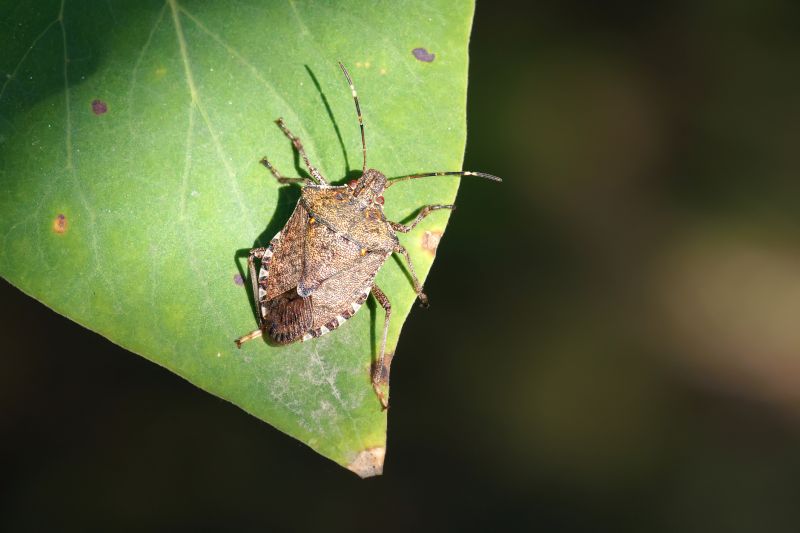
When evaluating service providers for stinkbug infestation treatment, it is important to consider their experience with similar indoor pest issues. A contractor with a history of successfully handling stinkbug problems can offer insights into effective methods and common challenges associated with these pests. Inquiring about their past projects or seeking references can provide a clearer picture of their expertise and reliability, ensuring they understand the nuances of identifying and addressing signs of an infestation indoors.
Clear communication about project expectations is essential when selecting a local contractor. Homeowners should look for providers who can explain their treatment approach, outline what the process entails, and clarify any preparations or follow-up steps involved. This transparency helps set realistic expectations and reduces misunderstandings, fostering a smoother experience from initial consultation through completion of the service.
Reputation and responsiveness are also key factors in choosing a dependable pest control partner. Reputable service providers typically have established references or reviews that demonstrate consistent quality of work and professionalism. Good communication throughout the process-such as timely responses to questions or concerns-can make a significant difference in how comfortable and confident a homeowner feels about the treatment plan. Prioritizing these qualities helps ensure the chosen contractor is capable of effectively managing signs of a stinkbug infestation indoors.
Property owners often search for signs you have a stinkbug infestation indoors when they are planning practical projects around their homes and businesses. Local pros provide Stinkbug Infestation Treatment services for everyday jobs and straightforward project options.
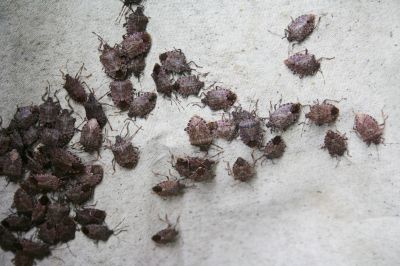
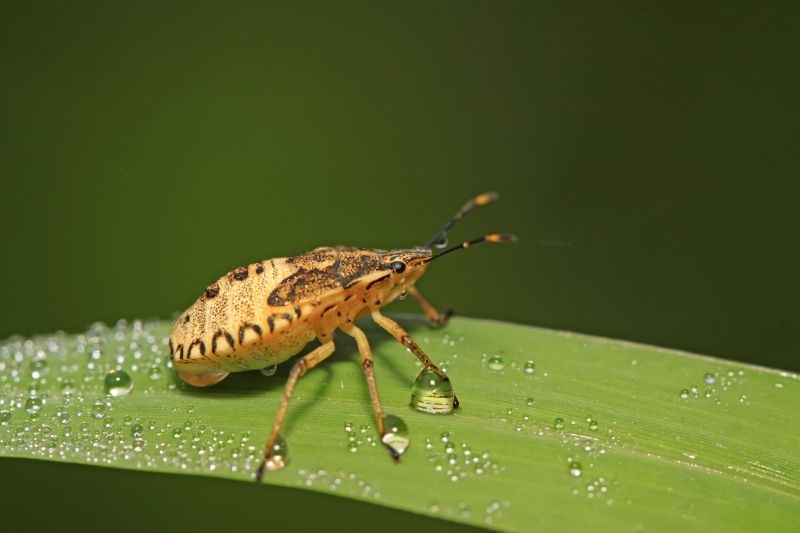
Recognizing signs you have a stinkbug infestation indoors can help property owners address the problem before it becomes overwhelming. Common indicators include seeing clusters of these insects gathering around windows, door frames, or vents, especially during seasonal changes when they seek warmth inside. Additionally, noticing a distinct, unpleasant odor when handling or crushing a stinkbug is a clear sign of their presence. Property owners who observe these signs may consider reaching out to local contractors experienced in stinkbug infestation treatment to effectively eliminate the pests and prevent future invasions.
When signs of a stinkbug infestation become evident, property owners often look for professional services that can handle the situation efficiently. Local service providers can assess entry points and apply targeted treatments to reduce the population and prevent re-entry. They may also offer advice on sealing cracks and gaps that serve as entryways for these pests. Connecting with experienced local contractors ensures that the infestation is managed properly, helping to restore comfort and avoid ongoing issues caused by these unwelcome invaders.
What are common signs of a stinkbug infestation indoors? Noticing large numbers of stinkbugs around windows, doorways, or light fixtures often indicates an indoor infestation. You might also detect a strong, unpleasant odor when stinkbugs are disturbed or crushed inside the home.
How can I tell if stinkbugs are hiding inside walls or other hidden areas? You may observe increased stinkbug activity near vents, electrical outlets, or behind wall-mounted objects. Swarms or clusters appearing in these areas can suggest they are hiding within the structure.
Are there visual cues that suggest an infestation has become established? Seeing multiple stinkbugs in the same area over several days, especially during cooler months, is a sign that they have established a presence indoors and are seeking shelter.
What external signs might indicate a need for stinkbug treatment services? An increase in stinkbug sightings near entry points like windows, doors, or cracks in the foundation can signal an ongoing infestation that requires professional treatment.
How can local contractors help with signs of a stinkbug infestation indoors? They can assess the property for entry points, identify infestation hotspots, and implement targeted treatment strategies to eliminate stinkbugs and prevent future invasions.
Presence of dead stinkbugs - Noticing dead stinkbugs around windows or on screens can indicate an ongoing infestation that needs professional treatment.
Unpleasant odor in the home - A strong, musty smell may suggest a significant stinkbug presence, prompting property owners to seek expert removal services.
Clusters near entry points - Seeing groups of stinkbugs around doors, windows, or vents can signal the need for sealing and pest control efforts by experienced contractors.
Increased sightings during seasonal changes - Frequent sightings of stinkbugs indoors during fall or spring can lead property owners to consult with specialists for effective infestation management.
If you are thinking about signs you have a stinkbug infestation indoors for a property, this guide is meant to help you understand this topic, the typical project types, and how different options might fit your plans.
When you are ready, you can use the quote form on this page to share a few details about your project. From there, local pros can review the basics and follow up with options that match what you have in mind.